 EDITOR'S PICK
NASA Moon Rover Project Pushes Extreme Battery Tech To Its Limits
03 Oct 2025 | Synopsis
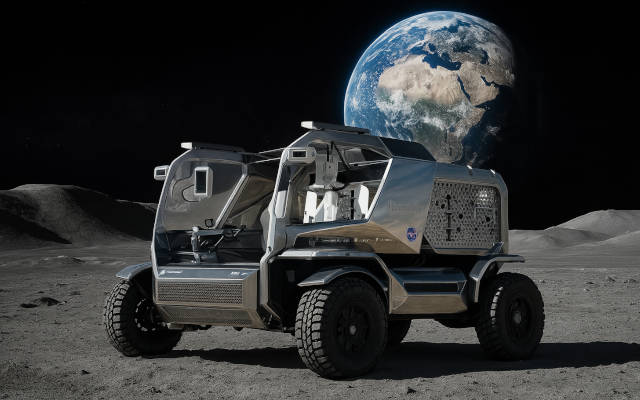 GM is adapting its EV battery tech for NASA's Lunar Terrain Vehicle, part of Artemis V. Using durable lithium-ion packs with high-nickel NCMA cathodes, the rover will withstand extreme lunar conditions -temperatures from - 173°C to scorching highs - while operating reliably for 10 years. Four steerable wheels with crab-walk and zero-turn features boost mobility, and fault-tolerant design ensures function even if cells fail, extending U.S. exploration on the Moon.
Ford Faces EV Crossroads as Federal Incentives Expire
02 Oct 2025 | Synopsis
 Ford CEO Jim Farley warns that U.S. EV sales could drop by half following the expiration of the $7,500 federal tax credit, citing high vehicle costs and reduced consumer demand. Ford is shifting focus to hybrids and more affordable EVs, while some dealers see the change as a chance to test market strength without subsidies. The industry faces uncertainty as it adapts to a post-incentive landscape.
The LNG Detour: What Scotland's New Ferry Teaches US
02 Oct 2025 | Synopsis
 Scotland's Glen Sannox ferry, launched as a “green” LNG-powered vessel, emits more greenhouse gases than its diesel predecessor due to underestimated methane slip. Despite improved local air quality, real-world data shows LNG's climate impact is worse over short timeframes. The project highlights how optimistic assumptions and delayed construction turned a sustainability effort into a cautionary tale about transitional fuels and lifecycle emissions.
The Current War On Science, Who's Behind It And Why
02 Oct 2025 | Synopsis
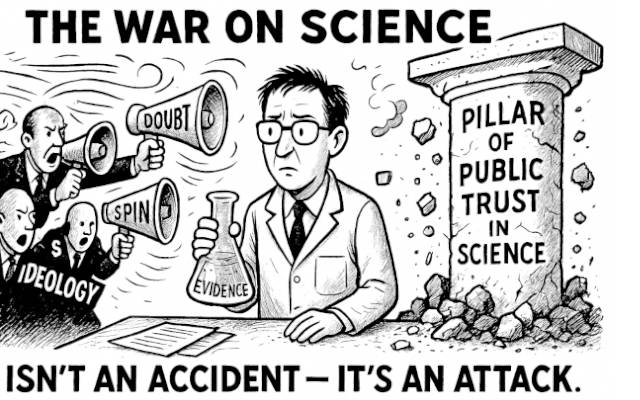 Science Under Siege asserts the undermining of science is not accidental but largely driven by ideological, economic, and political forces. It points fingers at special interests, political actors, and media amplifying doubt for gain. It also critiques how scientists themselves sometimes contribute by failing to communicate clearly or by letting funding and institutional pressures interfere with objectivity. The result: erosion of public trust, polarized discourse, and weakened science-based policy.
PNY Electric Cargo Scooter Completes Successful Multi-Location Last-Mile Delivery Trials
01 Oct 2025 | Synopsis
 PNY's Ponie P2, the world's first electric cargo motorcycle, completed successful trials across Tel Aviv, Milan, and other urban locations with partners like DHL and postal services. Manufactured in Israel, the P2 features a top speed of 100 km/h, high payload capacity, modular cargo options, and a 160 km range. Compared to gas-powered delivery vehicles used by Wolt - a Finnish delivery platform - it offers lower fuel and maintenance costs, making it a cost-effective, zero-emission solution for last-mile logistics.
 Si Exclusive
Hydrogen's Flight Path: Fuel Cells, Turbines, and the Economics of Clean Aviation
10 Oct 2025 |  Aviation is shifting from Jet A to four fuel systems: electricity, hydrogen (fuel cell and combustion), SAF, and petroleum. Fuel cells suit short-haul aircraft; hydrogen combustion may power long-range jets. SAF bridges legacy fleets. Hydrogen costs - $5-$7/kg today, possibly $2/kg by 2040 - impact ticket prices and infrastructure decisions. Airport authorities, airlines, and governments will share deployment costs. Each fuel has distinct environmental pros and cons shaping aviation's net-zero future.
 11 Oct 2025 08:04:43 UTC |
RECENT PODCASTS
BYD Soars - Cheaper Tesla Models - The Bolt is Back - Rivian
SEARCH RSSTREAM
 48 New Postings In Past 24 Hours
EV World's new RSStream is an RSS (Real Simple Synication) feed continuously updated daily. It provides on-demand links to scores of EV world-relevant news items from around the globe to any number
of RSS readers, from dedicated apps to browser plugins.
Category:mobility
Region:Europe
Date:10 Oct 2025
Category:energy
Region:Global
Date:10 Oct 2025
Category:mobility
Region:SoAmerica
Date:10 Oct 2025
Category:energy
Region:NoAmerica
Date:10 Oct 2025
Category:mobility
Region:NoAmerica
Date:10 Oct 2025
Category:finance
Region:AsiaPacific
Date:10 Oct 2025
Category:policy
Region:NoAmerica
Date:10 Oct 2025
Category:finance
Region:NoAmerica
Date:10 Oct 2025
Category:mobility
Region:AsiaPacific
Date:10 Oct 2025
Category:policy
Region:NoAmerica
Date:10 Oct 2025