 EDITOR'S PICK
Realistic Assessment: Horse Powertrain's C15 Engine and the Future of EV
22 Sep 2025 | Synopsis
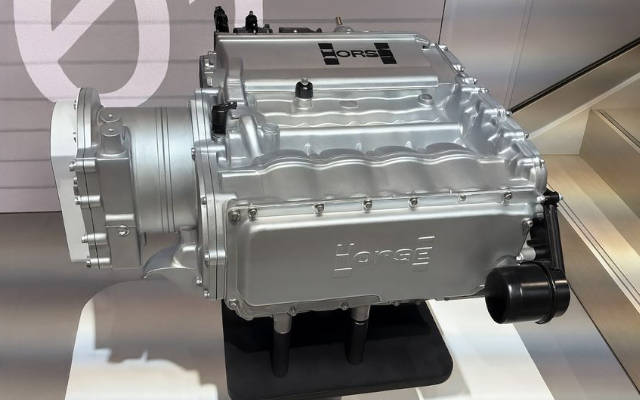 Horse Powertrain's C15 is a compact, Euro 7-compliant gasoline generator designed for extended-range EVs. It activates only when battery charge drops, offering 70 kW for sedans and 120 kW for larger vehicles. While efficient, it still emits 120–140 g CO₂/km when active. Backed by Renault, Geely, and Aramco, Horse can mass-produce it—but OEM adoption is key. EREVs face pressure from falling battery costs and rising BEV capabilities.
In Just 15 Years, No One Will Own an Electric Car - Here's What Will Replace Them Instead
21 Sep 2025 | Synopsis
 EVs are central to a coming shift in mobility: by 2040, personal electric car ownership may disappear as automakers pivot to subscription-based, software-driven models. EVs will serve as platforms for autonomous fleets, shared transport, and tiered digital services. Younger users prefer access over ownership, and manufacturers are redesigning vehicles as connected devices - raising concerns over repair rights, data control, and user autonomy.
US Firm Bids To Bring 'Flying Boats' to Scottish Islands Transport Network
21 Sep 2025 | Synopsis
 US firm Regent is partnering with Scotland’s Hitrans to explore using electric "flying boats" called Seagliders for island transport. These vessels combine boat, hydrofoil, and low-altitude flight technologies, reaching speeds up to 180 mph. A 12-passenger model may launch in Orkney by 2026–2027, with a larger version planned for 2030. The project aims to improve connectivity and reduce emissions across the Highlands and Islands.
The Electric Bus You Thought Was Dead - But Isn't
19 Sep 2025 | Synopsis
 Modern trolleybuses using in-motion charging (IMC) are making a comeback as cost-effective, grid-friendly alternatives to battery-electric buses. They charge via overhead wires and run off-wire using small batteries, reducing infrastructure and maintenance costs. Ideal for dense, hilly cities or those with legacy systems, they face funding and public perception challenges but offer strategic advantages in urban transit electrification.
European Study Finds E-bikes Carry A Much Greater Crash Risk Than E-scooters
19 Sep 2025 | Synopsis
 A new study from Chalmers University, featured in Air Quality News, finds that e-bikes pose a significantly higher crash risk than e-scooters—over eight times greater when accounting for exposure factors like trip distance and duration. The research analyzed GPS data from shared micromobility services across seven European cities, offering a more accurate comparison than previous studies. The authors call for better data-driven safety policies.
 Electric Aquaculture Boats Splash Into Waters Off the Coast of Rural Maine
19 Sep 2025 | Synopsis
 Electric fishing boat Heron launched in rural Maine, powered by twin electric outboards and backed by $1M in grants. Operated by Maine Ocean Farms, it cuts emissions, noise, and fuel costs. The shift supports climate goals amid warming Gulf waters. Challenges include battery weight and limited charging, but local groups are expanding infrastructure. Heron signals a sustainable future for aquaculture and rural marine industries.
Wired Wings: Flying the Bristell B23 Energic Electric Aircraft
19 Sep 2025 | Synopsis
 The Bristell B23 Energic, an all-electric trainer aircraft from BRM Aero and H55, offers smooth handling, low operating costs ($8–$9/hr), and a 60-minute flight time under EASA rules. FAA limits U.S. flights to 40 minutes due to stricter reserves, but upgrades are planned. Despite reduced payload from battery weight, performance rivals piston aircraft. Its success signals growing momentum in electric aviation.
Rivian's Secret E-Bike Surfaces: A Bold New Chapter in Micromobility
18 Sep 2025 | Synopsis
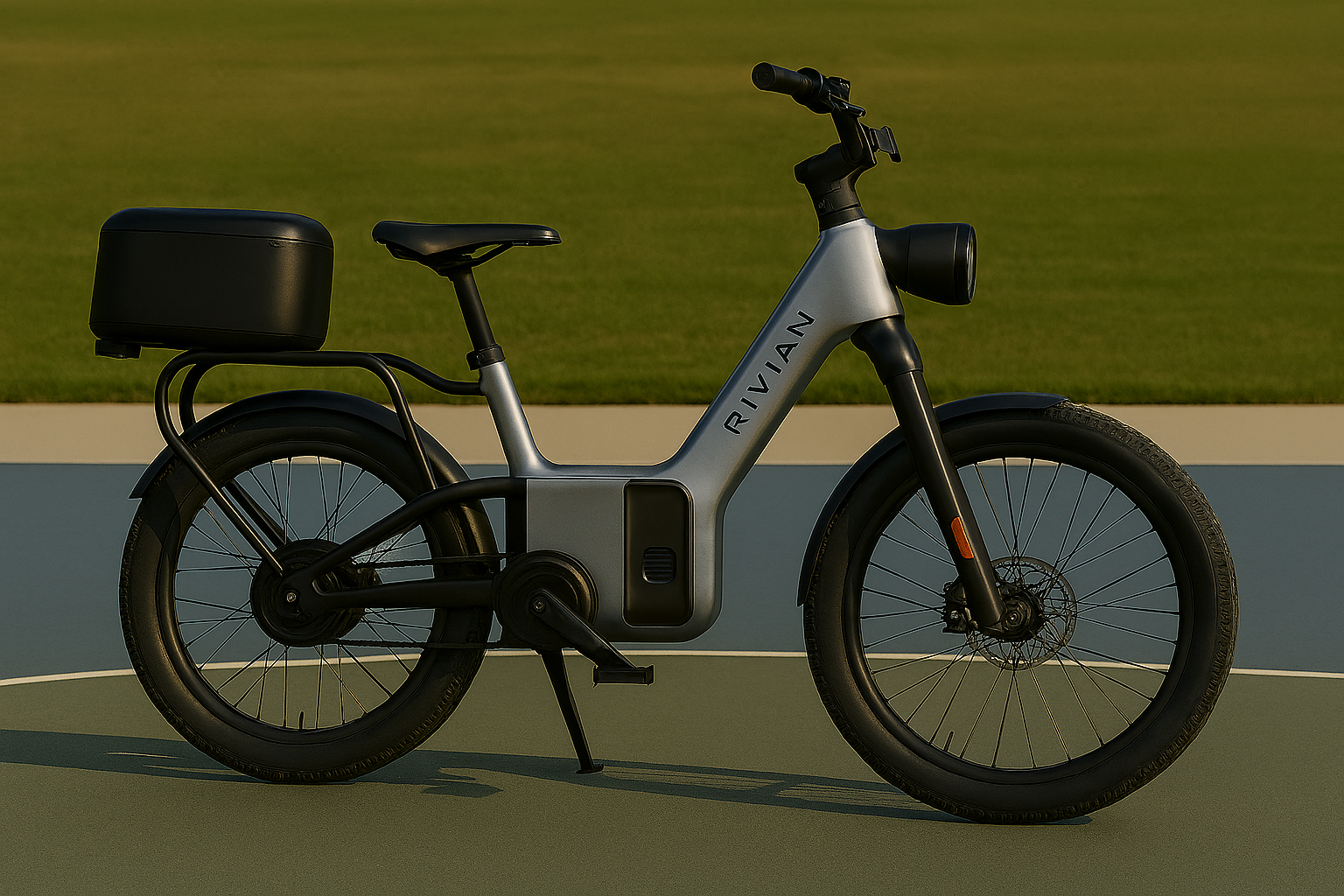 Leaked images reveal Rivian's upcoming e-bike, developed by its spinoff ALSO Inc. The sleek, silver prototype features full suspension, cargo rack, and inverted fork - blending utility with Rivian's signature design. Backed by a $1B valuation, ALSO aims to disrupt micromobility with a bold October launch. The bike signals Rivian's move beyond trucks, building a broader electric mobility ecosystem for urban riders and lifestyle commuters.
Why Tesla's Chinese Rival BYD Faces a Raft of Troubles
18 Sep 2025 | Synopsis
 BYD, once China's fastest-growing EV maker and 2024's top seller globally, is now facing serious headwinds. Since May, its domestic sales have begun to shrink while international deliveries aren't enough to compensate. A fierce price war - central to its rapid rise - is under regulatory scrutiny in Beijing. Margins are being squeezed by aggressive discounting, and the company must now navigate cooling demand, tighter oversight, and investor pressure amid declining profits.
5 Forecasts Early Climate Models Got RIght
18 Sep 2025 | Synopsis
 Early climate models from the 1960s accurately predicted key warming patterns - Arctic amplification, faster land heating, and nighttime temperature rise. Developed by pioneers like Syukuro Manabe, these models proved surprisingly robust. Their success boosts confidence in today's forecasts, which warn of accelerating disruption. What's worrying isn't just the warming - it's how fast it's unfolding, with risks to ecosystems, infrastructure, and global stability.
That $1-trillion Tesla Pay Package For Elon Musk Isn't As Bad As You Think. It's Worse
18 Sep 2025 | Synopsis
 Tesla's proposed $1 trillion pay package for Elon Musk ties rewards to extreme goals like an $8.5 trillion market cap and mass deployment of robotaxis and humanoid bots. Critics say it's not just excessive—it's structurally reckless, concentrating power without time-commitment safeguards and risking distorted priorities. The LATimes argues this isn't bold innovation, but a governance failure with long-term risks to shareholders and corporate accountability.
The EV You've Never Heard Of That Outsold Tesla
18 Sep 2025 | Synopsis
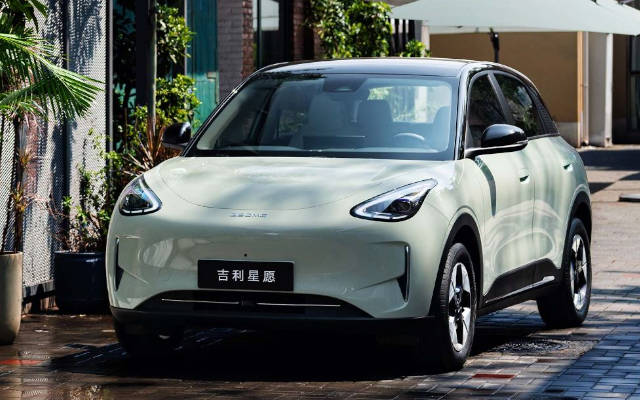 Geely's Geome Xingyuan, a compact EV hatchback priced under $10,000, became China's top-selling car in H1 2025, outselling Tesla's Model Y and BYD's Seagull. Its name means "Prosperous origin," fitting for a vehicle reshaping mass-market electrification. With 204,940 units sold, the Xingyuan thrives on affordability, urban design, and domestic loyalty. Though unknown in the West, it signals China's growing influence in global EV strategy and the rise of scalable, low-cost platforms.
 28 Sep 2025 12:28:14 UTC |
RECENT PODCASTS
Shocking Truth About EVs Catching Fire
SEARCH RSSTREAM
 53 New Postings In Past 24 Hours
EV World's new RSStream is an RSS (Real Simple Synication) feed continuously updated daily. It provides on-demand links to scores of EV world-relevant news items from around the globe to any number
of RSS readers, from dedicated apps to browser plugins.
Category:policy
Region:NoAmerica
Date:28 Sep 2025
Category:energy
Region:AsiaPacific
Date:28 Sep 2025
Category:review
Region:NoAmerica
Date:28 Sep 2025
Category:mobility
Region:NoAmerica
Date:28 Sep 2025
Category:policy
Region:Global
Date:28 Sep 2025
Category:energy
Region:Europe
Date:28 Sep 2025
Category:mobility
Region:Global
Date:28 Sep 2025
Category:energy
Region:Europe
Date:28 Sep 2025
Category:mobility
Region:AsiaPacific
Date:28 Sep 2025
Category:review
Region:NoAmerica
Date:28 Sep 2025
Category:environment
Region:Global
Date:28 Sep 2025
Category:policy
Region:NoAmerica
Date:28 Sep 2025
Category:mobility
Region:NoAmerica
Date:28 Sep 2025
Category:mobility
Region:NoAmerica
Date:28 Sep 2025
Category:finance
Region:NoAmerica
Date:28 Sep 2025
Category:energy
Region:Europe
Date:28 Sep 2025
Category:mobility
Region:Global
Date:28 Sep 2025
Category:mobility
Region:AsiaPacific
Date:28 Sep 2025
Category:mobility
Region:AustralPacific
Date:28 Sep 2025
Category:review
Region:Europe
Date:28 Sep 2025
Category:energy
Region:NoAmerica
Date:28 Sep 2025
Category:energy
Region:NoAmerica
Date:28 Sep 2025
Category:mobility
Region:Global
Date:27 Sep 2025
Category:finance
Region:Global
Date:27 Sep 2025
Category:policy
Region:Europe
Date:27 Sep 2025
Category:policy
Region:Europe
Date:27 Sep 2025
Category:energy
Region:NoAmerica
Date:27 Sep 2025