 EDITOR'S CHOICE
The Beachman '64: Retro Electric Café Racer Under $5K
02 Aug 2025 | Synopsis
 Canadian startup Beachman's '64 is a $4,800 retro electric café racer for city riders. Offering up to 70 miles range, three ride modes (20-45 mph), and removable batteries, it blends 1960s styling with modern EV practicality. Heavy for bike lanes and limited for highways, it skips high-tech frills for simplicity, quick charging, and vintage charm - making it a standout in the affordable electric two-wheeler market.
BMW's Neue Klasse Revolution Just Took A Big Step Towards Production
02 Aug 2025 | Synopsis
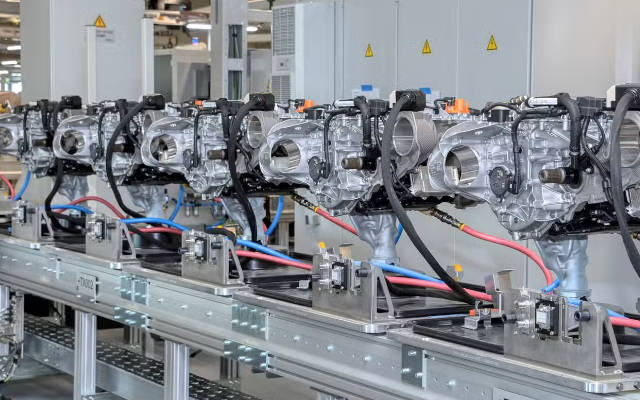 BMW's upcoming Neue Klasse EVs will be powered by the new Gen6 electric drive unit, which is up to 40% more efficient than current technology. This significant leap in efficiency is projected to increase vehicle range by 30%. The compact, integrated design also reduces production costs. Production of the core housing for these advanced e-drives has now begun at BMW's Steyr plant, marking a key milestone towards the 2025 launch of the first Neue Klasse models.
Owner Satisfaction With New Vehicles Is Up, But Not With Most EVs
02 Aug 2025 | Synopsis
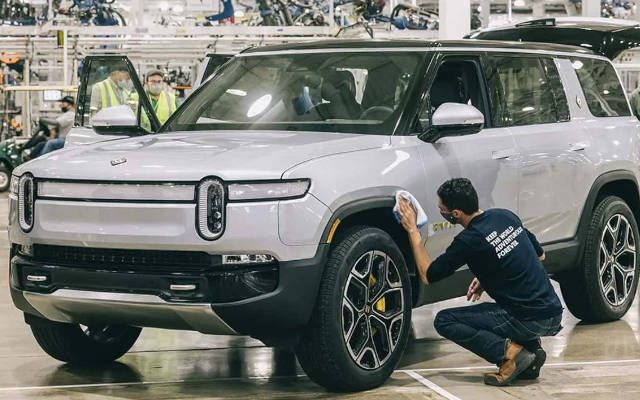 In J.D. Power's 2025 APEAL study, Rivian achieved the highest owner satisfaction score with 896 points, though it was ineligible for an official award. Tesla followed closely with a score of 892. Officially, Porsche ranked highest among premium brands for the second consecutive year with a score of 890, followed by Land Rover and BMW. This highlights strong satisfaction with new EV brands, even as overall satisfaction with non-Tesla EVs declined.
Honda Prologue Review: Best-Selling EV Crossover Rising Fast
02 Aug 2025 | Synopsis
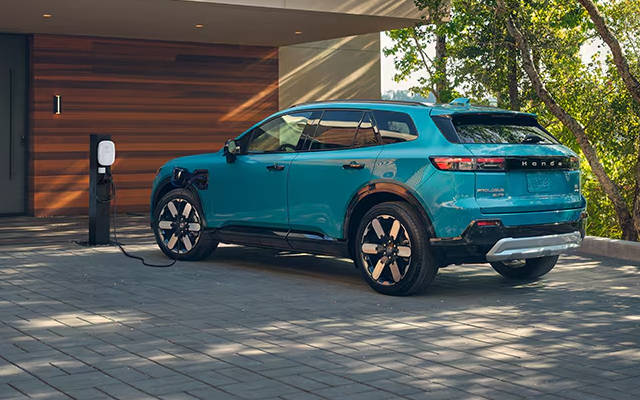 Honda's Prologue, a mid-size electric SUV built on GM's Ultium platform, saw July 2025 sales jump 83% to 6,318 units. Drivers praise its roomy, quiet cabin, smooth ride, and full $7,500 tax credit, while critics cite bland handling, modest cargo space, and 150 kW charging speed. Its comfort, range up to 308 miles, and Honda brand trust are fueling strong demand in the growing EV crossover market.
Honda's Smallest Electric Car Can Power Your Home And More
01 Aug 2025 | Synopsis
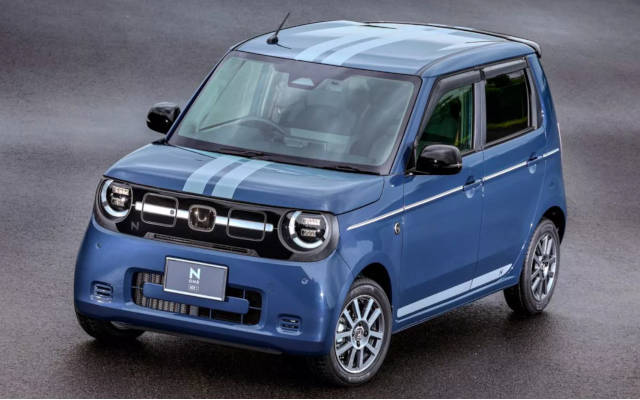 Honda's N-One e is a compact, retro-styled electric city car with a range of over 245 km (150+ mi). Its standout feature is the advanced Vehicle-to-Load (V2L) system, which can power not only small appliances and devices but even a home during a power outage. This functionality requires an optional adapter from Honda. The car supports 50kW DC fast charging, allowing for a quick 30-minute charge.
Elon Musk Is Turning US Liberals Off Not Just Tesla But Electric Vehicles In General
01 Aug 2025 | Synopsis
 Recent study published in Humanities and Social Sciences Communications journal found Conservatives consistently disfavored purchasing both Teslas and EVs, irrespective of their perceptions of Musk. Liberals showed declining intentions to purchase Teslas compared with other EVs, and, to a lesser extent, declining intentions to purchase EVs in general. We found both effects to be associated with negative perceptions of Musk."
For Electric Vehicles, Smaller Is Better
01 Aug 2025 | Synopsis
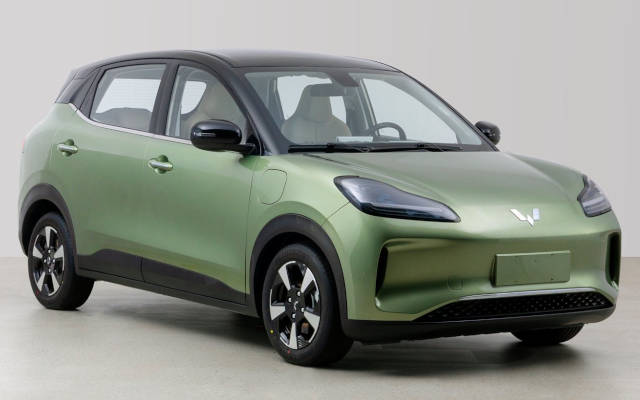 "Electric vehicles (EVs) are crucial for decarbonizing transportation, but the growing trend towards larger models like SUVs and pickup trucks poses a challenge. Smaller EVs consume less energy, require fewer critical minerals for batteries, and are better suited for cities. To ensure the transition to electric mobility is effective and equitable, priority should be given to smaller, more affordable EVs, alongside investments in public transport and active mobility."
When Cars Go Electric: Understanding The Tipping Points Transforming Transportation
01 Aug 2025 | Synopsis
 "From less than 5% new EV sales around 2013, Norway rapidly crossed critical adoption thresholds, surpassing 15% by 2016, 50% by 2019, and reaching over 90% by 2025....Mainland Europe and China are following similar trajectories today
"...third theory, complex adaptive systems...describes how interconnected elements of a system react to changes, creating feedback loops that accelerate transformations."
The US Commercial Rooftop Solar Market Is About To Explode, Federal Tax Credits Or Not
31 Jul 2025 | Synopsis
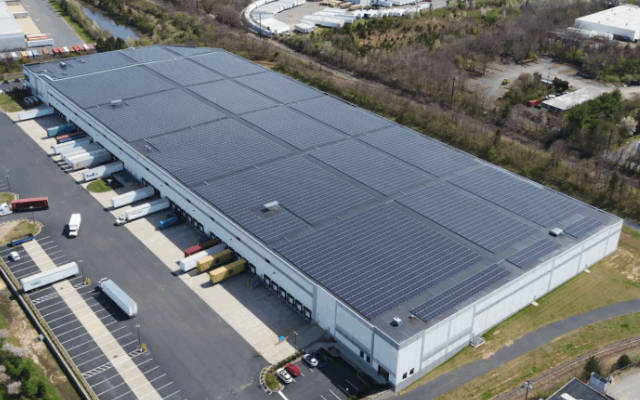 "...it's a mystery why federal policy makers are ignoring solar in favor of other, more cumbersome and expensive domestic energy resources...
"New subscription-style pay-as-you-go financing models have relieved property owners of that burden. Virtual power plants, the distributed energy resource trend, and the booming community solar movement are three additional factors supporting the commercial rooftop solar movement."
A Powerful Essay On Renewable Energy Reminds Us How Witheringly Stupid The US Has Become
31 Jul 2025 | Synopsis
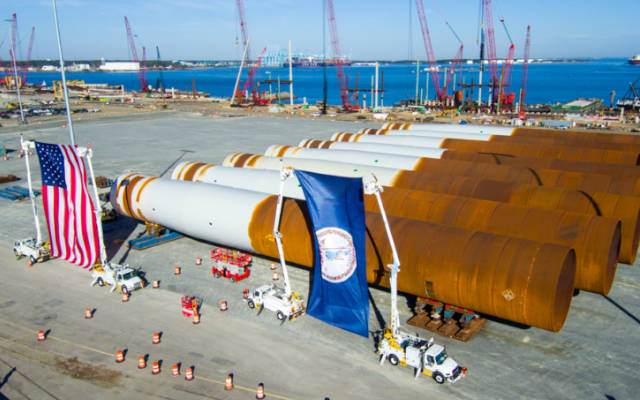 Environmental author and activist Bill McKibben’s recent essay highlights the rapid global rise of solar power—adding a terawatt every two years—and the potential of wind energy, contrasting it with current U.S. policies curbing renewables. He criticizes the administration's baseload bias and new Interior Department restrictions on wind and solar, warning that such moves squander a historic opportunity for domestic clean energy growth.
Does America's Current Interior Secretary Know What a Battery Is?
31 Jul 2025 | Synopsis
 Interior Secretary Doug Burgum questioned the reliability of wind and solar, stating solar fails at night and dismissing batteries - as if they didn't exist. His comments came amid the administration’s plan to eliminate green energy tax credits and revoke preferential treatment for renewables. Critics pointed out the irony: under Burgum's previous tenure as North Dakota governor, wind and solar made up over 40% of that state’s electricity.
Ford's "Model T Moment": What Jim Farley Is Signaling with a New EV Platform
31 Jul 2025 | Synopsis
 Ford CEO Jim Farley calls the upcoming August 11 debut of its next-gen EV platform a “Model T moment,” signaling a leap toward affordable, mass-market electric vehicles. Developed by a skunkworks team with ex-Tesla engineers, the flexible platform targets ~$25K pricing, U.S. production, and simplified manufacturing to compete with Chinese EVs and expand Ford’s reach beyond Mach-E and F-150 Lightning.
 03 Aug 2025 01:02:31 UTC |
RECENT PODCASTS
HopFlyt Interview - Advanced Air Mobility Cargo Drones - Up to 250 lbs!
SEARCH RSSTREAM
 49 New Postings In Past 24 Hours
EV World's new RSStream is an RSS (Real Simple Synication) feed continuously updated daily. It provides on-demand links to scores of EV world-relevant news items from around the globe to any number
of RSS readers, from dedicated apps to browser plugins.
Category:mobility
Region:NoAmerica
Date:01 Aug 2025
Category:mobility
Region:AsiaPacific
Date:01 Aug 2025
Category:mobility
Region:Europe
Date:01 Aug 2025
Category:mobility
Region:Europe
Date:01 Aug 2025
Category:finance
Region:NoAmerica
Date:01 Aug 2025
Category:review
Region:NoAmerica
Date:01 Aug 2025
Category:finance
Region:NoAmerica
Date:01 Aug 2025
Category:mobility
Region:NoAmerica
Date:01 Aug 2025
Category:finance
Region:NoAmerica
Date:01 Aug 2025
Category:autonomy
Region:NoAmerica
Date:01 Aug 2025
Category:mobility
Region:NoAmerica
Date:01 Aug 2025
Category:mobility
Region:NoAmerica
Date:01 Aug 2025
Category:finance
Region:NoAmerica
Date:01 Aug 2025
Category:finance
Region:NoAmerica
Date:01 Aug 2025
Category:finance
Region:Europe
Date:01 Aug 2025
Category:mobility
Region:NoAmerica
Date:01 Aug 2025
Category:mobility
Region:NoAmerica
Date:01 Aug 2025
Category:policy
Region:NoAmerica
Date:01 Aug 2025
Category:energy
Region:NoAmerica
Date:01 Aug 2025
Category:mobility
Region:NoAmerica
Date:01 Aug 2025
Category:finance
Region:NoAmerica
Date:01 Aug 2025
Category:mobility
Region:NoAmerica
Date:01 Aug 2025
Category:mobility
Region:NoAmerica
Date:01 Aug 2025
Category:mobility
Region:NoAmerica
Date:01 Aug 2025
Category:policy
Region:NoAmerica
Date:01 Aug 2025
Category:energy
Region:NoAmerica
Date:01 Aug 2025
Category:mobility
Region:AsiaPacific
Date:01 Aug 2025