 EDITOR'S PICK
Charlie Munger's BYD Bet: Berkshire's Billion-Dollar EV Play
30 Aug 2025 | Synopsis
 Charlie Munger led Berkshire Hathaway to invest $230M in BYD in 2008, recognizing its potential in batteries and EVs. Displayed at the Omaha shareholder meeting, BYD grew into a global EV leader. Berkshire's stake peaked near $9.5B, with over $7B in profit from sales. Now holding under 5%, Berkshire's move reflects Munger's long-term vision and BYD's rise as a vertically integrated powerhouse in electric mobility.
Mercedes-AMG's Axial Flux Revolution: Real Tech, Not Clickbait
30 Aug 2025 | Synopsis
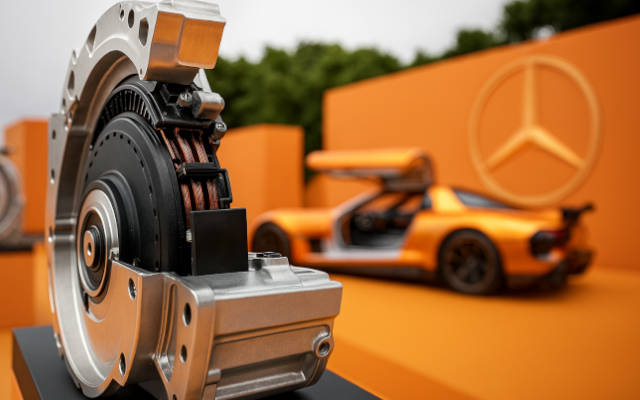 Mercedes-AMG's axial flux motors from YASA offer up to 4× the torque density of conventional EV motors, enabling compact, oil-cooled drive units with sustained high output. The AMG GT XX concept uses three motors delivering over 1,000 hp and sets the stage for production in 2026. Competing designs from Magnax and Lucchi push efficiency and modularity, but Mercedes leads with centralized deployment on its AMG.EA platform. Axial flux tech outclasses ICE in power, size, and efficiency.
Moscow's Electric Bus Expansion Amid the Ukraine War
30 Aug 2025 | Synopsis
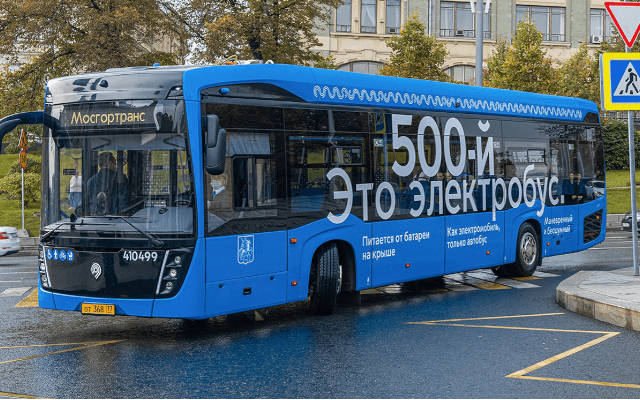 Moscow is expanding its electric and autonomous bus fleet, now the largest in Europe, but the Ukraine war has slowed progress. Sanctions and supply shortages hinder access to key tech, forcing a shift to domestic production. Fuel shortages from refinery attacks, cyber disruptions, and strained budgets add pressure. Despite setbacks, Moscow aims to replace diesel buses by 2030, though war-driven economic strain threatens long-term transit modernization.
Rivian's Maximus Drive Unit Boosts R2 SUV Power Density & Manufacturing Efficiency
30 Aug 2025 | Synopsis
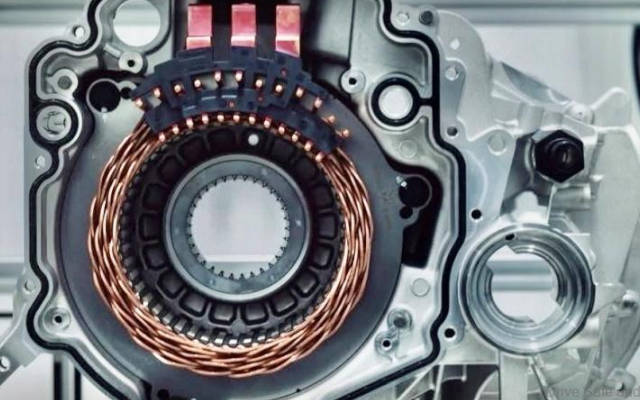 Rivian's Maximus drive unit, launching with the R2 SUV in early 2026, boosts power density by 40% over previous models. It’s smaller, lighter, and easier to manufacture thanks to a simplified stator, integrated cooling and electronics, and fewer fasteners. A redesigned wiring harness further streamlines production, reduces weight enhancing scalability and efficiency.
The Biggest Untold Story of 2025: Energy Fragility and Economic Risk
29 Aug 2025 | Synopsis
 A deepening energy crisis is quietly reshaping global stability. Aging infrastructure, declining EROEI, and financial overextension expose systemic vulnerabilities. As oil production plateaus and economic models falter, the risks of supply shocks and cascading failures grow. Chris Martenson—economic researcher and creator of The Crash Course—guides viewers through this urgent, underreported threat, rekindling the long denigrated "Peak Oil" debate
BMW Just Cranked Out Its 3 Millionth Electrified Vehicle
28 Aug 2025 | Synopsis
 BMW has built its 3 millionth electrified vehicle - a 330e plug-in hybrid assembled in Munich. This milestone includes both EVs and plug-in hybrids. In the first half of 2025, over 25% of BMW's global deliveries were electrified. The company also recently produced its 1.5 millionth fully electric vehicle, a Mini Countryman SE. BMW expects electrified sales to keep growing as part of its tech-neutral strategy.
EV Adoption Stymied By Curious American Trait: Garage Clutter
28 Aug 2025 | Synopsis
 Telemetry's 2025 EV Charging Market Report reveals a surprising barrier to electrification: junky garages. One-third of U.S. homeowners can’t park in their own garages, limiting access to Level 2 charging. With 80% of EV charging done at home, cluttered spaces and costly installations threaten adoption. The report urges behavioral shifts and infrastructure investment to close the equity gap.
Own a Bolt? Here Is How You Can Supercharge Today
28 Aug 2025 | Synopsis
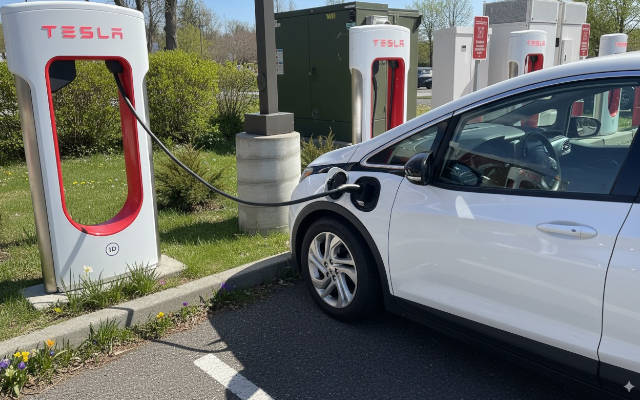 Chevy Bolt owners can now access Tesla Superchargers using GM's NACS-to-CCS adapter. After purchasing the dongle ($200–$300), download the Tesla app, link a payment method, and locate compatible stations. Charging to 80% costs around $20–$26. The adapter plugs into the Bolt’s front-left port, and etiquette matters—never block multiple stalls. This marks a major step toward EV charging interoperability and convenience.
VinFast Expands Electric Vehicle Incentives Nationwide, Plans Massive Battery-Swapping Network
27 Aug 2025 | Synopsis
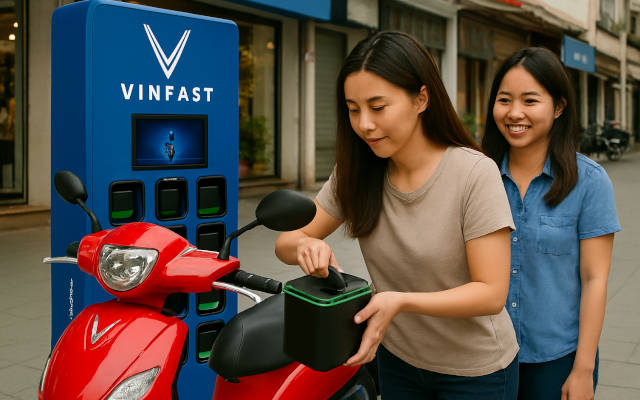 VinFast is launching a nationwide battery swapping network in Vietnam, aiming to deploy 150,000 stations to support its electric scooter expansion. Timed with National Day, the initiative includes new incentives and infrastructure to accelerate EV adoption. The swap stations offer fast, convenient battery replacement, reinforcing VinFast's push for sustainable urban mobility and positioning Vietnam as a leader in electric transport innovation.
The Mercedes-AMG GT XX Just Rewrote the EV Record Book
27 Aug 2025 | Synopsis
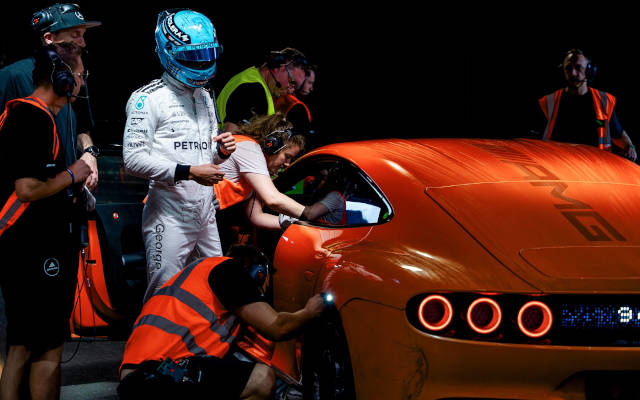 The Mercedes-AMG GT XX Concept EV achieved 25 performance records during an eight-day testing campaign at Italy's Nardo Ring. Two prototypes covered over 24,855 miles, with one achieving 3,404 miles in 24 hours. Equipped with an 850 kW DC fast charger, the GT XX gains 124 miles of range in 10 minutes. Powered by a 1,360 hp all-electric powertrain, the GT XX demonstrates Mercedes' dedication to pushing the boundaries of EV performance.
Uber Trains and the Eurostar Green Benchmark
27 Aug 2025 | Synopsis
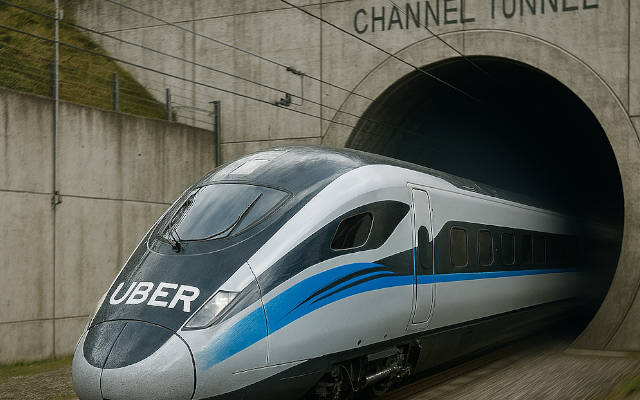 Eurostar aims to run on 100% renewable electricity by 2030, sourcing from wind, solar, storage, and low-carbon nuclear. Uber's planned train service is expected to follow suit as both rely on UK–EU grids. A London–Paris train trip emits just 2–11 kg CO₂e per passenger versus 50–120 kg by plane, while door-to-door times are comparable (3.5–4h by train vs. 4–5h by air). This makes high-speed rail both cleaner and faster city-centre to city-centre.
2,959 HP BYD Yangwang U9 Electric Hypercar Sets New EV Speed Record
27 Aug 2025 | Synopsis
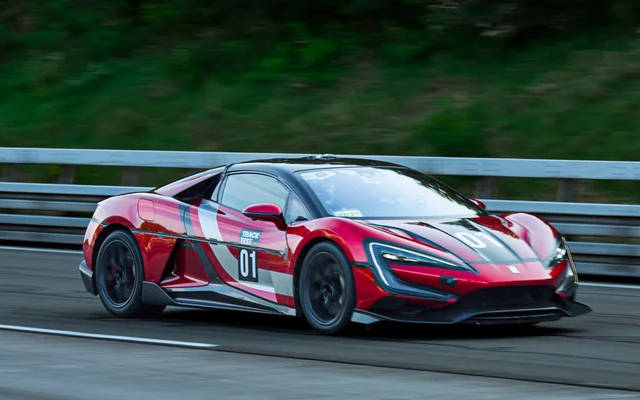 The BYD Yangwang U9, a high-performance electric vehicle, boasts an impressive 2,959 horsepower. It is capable of reaching a top speed of 293 mph, positioning itself as a leader in electric vehicle speed. This vehicle is part of BYD's luxury brand, Yangwang, and reflects the company's ambitions to compete in the high-end EV market. The U9 is set to challenge both traditional performance cars and newer electric supercars, offering cutting-edge technology and incredible power.
 31 Aug 2025 20:39:17 UTC |
RECENT PODCASTS
RIVN LCID Plunge - E-Bike Made from Vapes - California Mandate
SEARCH RSSTREAM
 12 New Postings In Past 24 Hours
EV World's new RSStream is an RSS (Real Simple Synication) feed continuously updated daily. It provides on-demand links to scores of EV world-relevant news items from around the globe to any number
of RSS readers, from dedicated apps to browser plugins.
Category:energy
Region:Global
Date:09 Jan 2025
Category:mobility
Region:Global
Date:09 Jan 2025
Category:energy
Region:Europe
Date:09 Jan 2025
Category:finance
Region:NoAmerica
Date:09 Jan 2025
Category:mobility
Region:AsiaPacific
Date:09 Jan 2025
Category:autonomy
Region:NoAmerica
Date:09 Jan 2025
Category:energy
Region:AsiaPacific
Date:09 Jan 2025
Category:review
Region:NoAmerica
Date:09 Jan 2025
Category:energy
Region:AsiaPacific
Date:09 Jan 2025
Category:finance
Region:Global
Date:09 Jan 2025
Category:mobility
Region:NoAmerica
Date:09 Jan 2025
Category:energy
Region:Europe
Date:09 Jan 2025
Category:policy
Region:Europe
Date:09 Jan 2025
Category:policy
Region:NoAmerica
Date:09 Jan 2025
Category:mobility
Region:NoAmerica
Date:09 Jan 2025
Category:mobility
Region:NoAmerica
Date:09 Jan 2025
Category:mobility
Region:NoAmerica
Date:09 Jan 2025
Category:finance
Region:NoAmerica
Date:09 Jan 2025
Category:mobility
Region:NoAmerica
Date:09 Jan 2025
Category:policy
Region:Europe
Date:09 Jan 2025
Category:mobility
Region:Europe
Date:09 Jan 2025
Category:mobility
Region:Europe
Date:09 Jan 2025
Category:policy
Region:NoAmerica
Date:09 Jan 2025
Category:mobility
Region:NoAmerica
Date:09 Jan 2025
Category:autonomy
Region:AsiaPacific
Date:09 Jan 2025
Category:finance
Region:NoAmerica
Date:09 Jan 2025
Category:finance
Region:NoAmerica
Date:09 Jan 2025